Bace Kadet interview: turntablism for the dancefloor
What happens when you take three-time DMC Champion skills into a commercial club set?
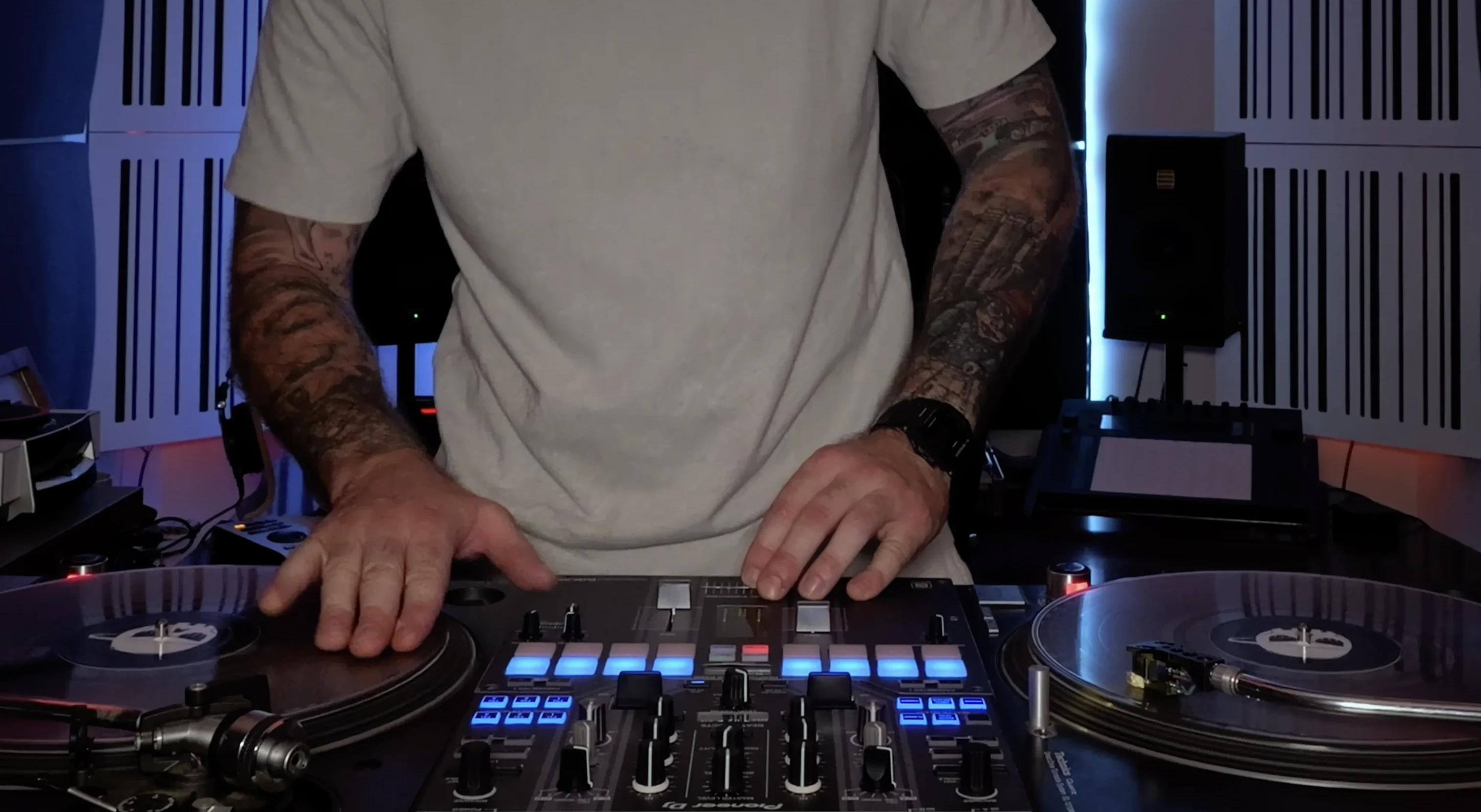
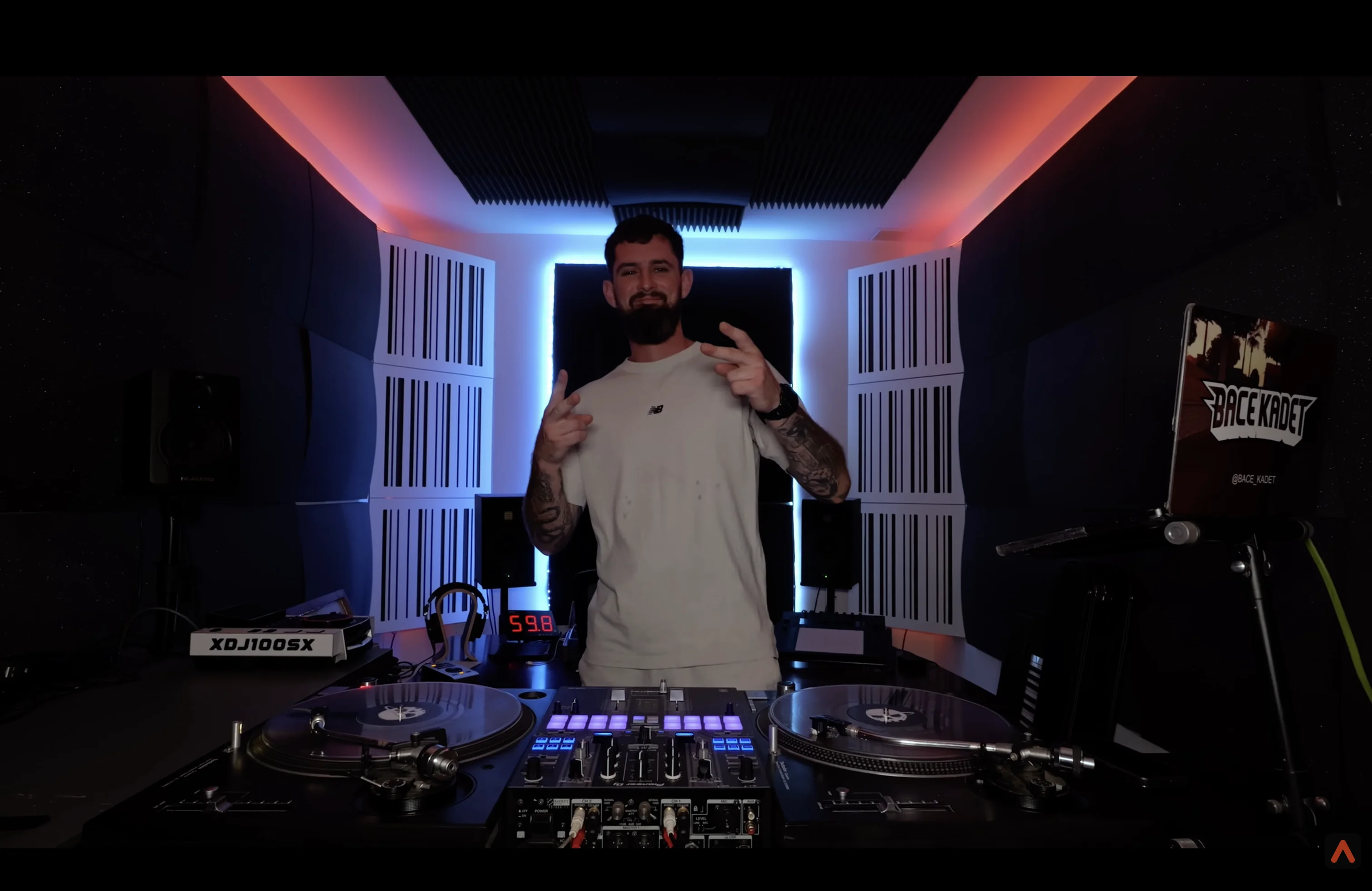
During his visit to Barcelona, Australian champion Bace Kadet stopped by Monka Audio Lab to record an exclusive set and sit down with us to talk about the part most DJs are never taught: how to use turntablism in real, crowd-focused gigs to stand out, get booked and rock bigger crowds, without clearing the dancefloor.
Interview
Marc Monka: You’ve won the DMC 3 times, but you also play in clubs and corporate events. What is the biggest misconception working DJs have about bringing turntablism into a commercial set?
Bace Kadet: I think the biggest misconception is that scratching has to take over the set or turn it into a showcase. It doesn’t. A little bit of well-timed turntablism can add personality and make a transition feel special, while still keeping the focus on the crowd and the music.
M: Do you remember a specific gig where you realized your turntablism skills were actually your secret weapon to save the dancefloor?
B: I’ve had moments at club gigs where the crowd’s energy has started to dip, and a creative transition or a well-placed scratch has helped bring their attention back. It’s not about doing the most complicated routine. It’s using your skills to make the next moment land and give the room a fresh burst of energy.
M: As an open-format DJ, you constantly jump between different genres and BPMs. How do you make those transitions to feel natural to the crowd instead of forced?
B: I’m listening for the connection between the records, not just looking at the BPM. It could be a lyric, a similar rhythm, a familiar sound or just the right moment to switch the energy. If the crowd understands why the next song is coming in, the transition feels natural.
I'm listening for the connection between the records, not just looking at the BPM.
M: You talk about ‘translating turntablism into crowd-focused sets’. Can you give us some examples of any technique that instantly elevates a standard transition without losing the dancefloor’s energy?
B: Even a simple baby scratch, chirp or quick transformer cut can add something to a transition if it’s in time and fits the track. I also like using a vocal or a drum break to connect two records. You don’t need a long routine; sometimes one clean, well-timed moment is enough.
M: Working DJs often have to use whatever standard CDJs or mixers are available at the venue. How do you adapt your techniques when you might not have your ideal battle gear?
B: You work with what’s in front of you. I’ll check the mixer, fader and setup before I play, then adjust my technique to suit the gear. You don’t always need your ideal battle setup to bring that element into a set. The important thing is knowing your fundamentals and being comfortable adapting.
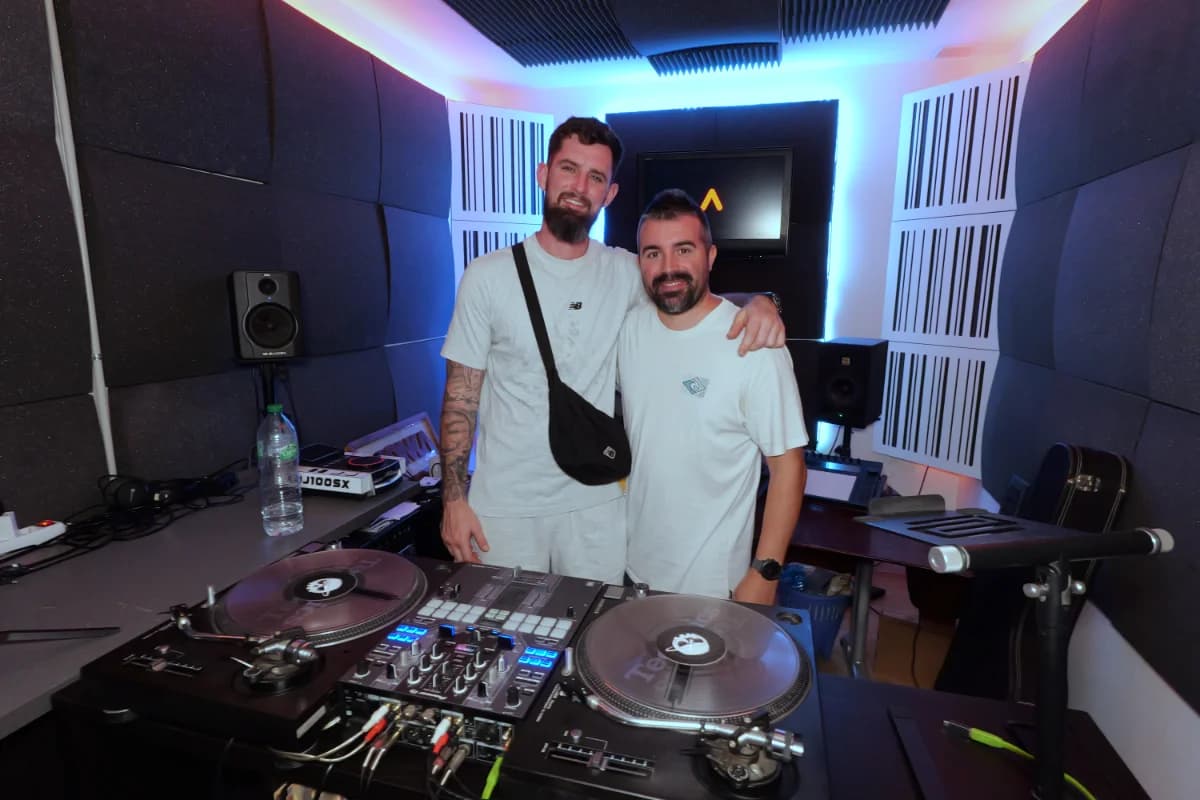
Bace Kadet and Marc Monka at Monka Audio Lab
M: Nowadays technology handles most of the basic things such as beatmatching, preparing a track but also the accessibility to streaming pools, record stores, etc. How much of a competitive edge does freestyle skills give a DJ trying to get booked in today’s market?
B: Technology has made it easier for everyone to prepare music and mix cleanly, so the things that make you memorable matter even more. Freestyle skills give you a way to add your own personality and create moments people remember. They’re not a replacement for reading the room or choosing the right music, but they can definitely help you stand out.
M: When club DJs try to introduce scratching into their live sets, what’s the most common mistake they make that may ruin the vibe, and how can they avoid it?
B: The biggest mistake is scratching just to prove you can do it, without thinking about the song or the crowd. If it interrupts the groove, it can pull people out of the moment. Keep it musical, keep it brief, and make sure it adds to the energy instead of competing with it.
Keep it musical, keep it brief, and make sure it adds to the energy instead of competing with it.
M: Many established club DJs are intimidated by scratching or adding some freestyle techniques. What’s your advice for a working DJ who just wants to add that freestyle touch to their sets without starting from zero?
B: Start small. Pick one or two simple techniques and practise using them in transitions you already play. You don’t have to rebuild your whole set or learn a full routine straight away. Focus on getting the timing and control right, then build from there.
M: What do you consider to be the feature in DJ technology that changed the game in the last years?
B: For me, stems have been a big one. Being able to separate vocals, drums and other parts of a track gives you more ways to make creative transitions and interact with the music. It’s a great tool, as long as you’re still using your ears and making choices that suit the room.
M: We focus heavily on building these exact freestyle fundamentals here at Monka Audio Lab. For someone just starting out to learn these techniques, what is the single most important thing they shouldn’t skip?
B: Don’t skip the fundamentals. Work on timing, clean movements and listening closely to the music before rushing into complicated patterns. A simple technique that’s in time and sounds clean will always work better than something advanced that doesn’t feel controlled.
M: For a student enrolling in our freestyle course who only has about 30 min a day to practice, what specific habit should they focus on to see the fastest results in the club?
B: Make sure you practise the techniques in actual songs, not just on their own. Spend a little time getting the movement clean, then work it into a transition you’d really play. Record yourself and listen back. That’ll help you build control and make the techniques feel natural in the club.
The set
Here's the set Bace Kadet played for us during his visit.
Bring this energy into your own sets
Massive respect to Bace for sharing his experience with us.
If you're tired of doing the same basic transitions and want to inject this kind of freestyle energy into your own sets, this is exactly what we do in our Turntablism Course. We teach you to build your foundation from scratch: timing, clean movements and techniques like the baby scratch, transformer and chirp, all the way to using them in real transitions that keep the dancefloor moving. Learn in the studio here in Barcelona, or online.
Keep practising, and we'll see you in the booth.
Author
Subscribe to the newsletter
Receive resources, tutorials and exclusive content directly in your inbox.
Got questions?
Put it into practice and share it with the community
Academy
Want to go deeper?
Our courses are designed to take your sound to the next level. Learn the what, the how and the why.